New Twitter Profile: Beach Boys CDs @BeachBoysCDs
By DJ M on December 15th, 2014
In Brian Wilson/B. Boys
I've been too obsessed with avant-garde jazz, experimental music, free improvisation and other outside, deviant and transgressive sounds to keep up with the saga of The Beach Boys and Brian Wilson.
However, I have decided to make a catalog on Twitter (@BeachBoysCDs) of my BB/BW collection for shits and giggles. It's a work in progress. If you care to observe the happenings, follow me here: BEACH BOYS & BRIAN WILSON CD COLLECTION
'It kinda feels like getting fired' -- Brian Wilson to Mike Love
By DJ M on October 11th, 2012
In Brian Wilson/B. Boys
LA TIMES I've been asked to respond to a letter that my cousin Mike wrote to the L.A. Times regarding the circumstances of the last couple weeks and the confusion of the future of The Beach Boys. Normally I wouldn't respond to something like this, but because I love what the 50th has done for the band's image and its legacy, I feel I need to.
First, I want to say that the last few months have been some of the happiest in my life. Recording "That's Why God Made The Radio" was a dream come true, to be able to co-write and produce an album for the boys and have it so well received by fans all over the world was the best!
The tour that followed blew away all my expectations. We had a blast, the fans were so supportive and I loved being able to record and sing with the guys. My only regret was that Carl and Dennis were not there to share this experience with us.
Now on to the rumors: As far as I know I can't be fired--that wouldn't be cool. The negativity surrounding all the comments bummed me out. What's confusing is that by Mike not wanting or letting Al, David and me tour with the band, it sort of feels like we're being fired.
What's a bummer to Al and me is that we have numerous offers to continue, so why wouldn't we want to? We all poured our hearts and souls into that album and the fans rewarded us by giving us a No. 3 debut on the Billboard charts, and selling out our shows. We were all blown away by the response.
Al and I would like to be included in the continuous promotion of "That's Why God Made The Radio." That's what I've been doing for over a decade: making records and going out and supporting them. It's what I do. Capitol Records has been so cool to us this year in terms of supporting the 50th and I personally want to say thanks.
Mike kept saying throughout the tour "The whole is greater than the sum of its parts," and both Al and I agree, which made us all think that he wanted to continue. We originally started out with 50 shows, but the success and the demand kept growing and we obliged. No one knew in the beginning that this was going to be so rewarding and popular with our fans. Once we got cooking we were all stoked!
After Mike booked a couple of shows with Bruce, Al and I were, of course, disappointed. Then there was confusion in some markets when photos of me, Al and David and the 50th reunion band appeared on websites advertising his shows.
At that point my attorney merely suggested to Mike's attorney that a possible press release in those markets might be appropriate to stop the confusion, which was in no one's best interest. That's it, plain and simple, and a strategy was open for discussion, which never happened.
That’s why I was completely blindsided by his press release. I had no idea that it was coming out, since it was crafted by Mike's personal PR firm without my knowledge or approval. No one in my camp would have approved it or the timing.
I'm disappointed that Mike would now say that the release was done at the request of my representative. The first I heard about it was at the Grammy Museum event. We hadn't even discussed as a band what we were going to do with all the offers that were coming in for more 50th shows.
Al and I just assumed based on everyone's enthusiasm we would at least want to take those offers into consideration since we all knew about them. I mean, who wouldn't want to play the Hollywood Bowl again, Madison Square Garden and Wrigley Field? And what better way to celebrate New Year's Eve than with the 50th band? That would have blown the lid off things.
There were also offers for more shows in the U.K. and markets we weren't able to play during the tour. As I said before, it's my opinion that we should all go out together as the Beach Boys in support of all our new releases. We really weren't out on the road that long for an anniversary of this magnitude and I actually think we should make one last record together.
It's Al and my opinion that all of us together makes for a great representation of the Beach Boys.
While I appreciate the nice cool things Mike said about me in his letter, and I do and always will love him as my cousin and bandmate, at the same time I'm still left wondering why he doesn't want to continue this great trip we're on. Al and I want to keep going because we believe we owe it to the music.
That's it in a nutshell, all these conversations need to be between the shareholders, and I welcome Mike to call me.
In any case happy anniversary, I loved it and I think we knocked it out of the park for what it's worth.
Love and Mercy,
Brian Wilson
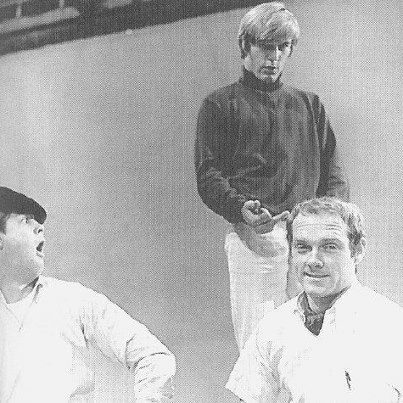
Beach Boys founders sacked in middle of reunion tour
By DJ M on September 26th, 2012
In Brian Wilson/B. Boys
TELEGRAPH "Beach Boys frontman Mike Love, who owns the rights to the band's name, has released a statement saying he will not tour with founder members Brian Wilson, Al Jardine and David Marks beyond the band's UK tour dates this week."
The Beach Boys' "Kokomo": The Musical And Personal Horrors
By DJ M on June 22nd, 2012
In Brian Wilson/B. Boys
VILLAGE VOICE "I can not only count the important records of my childhood on one hand, but summon them with terrifying recall ... [One] ... 45 ... [was] so impactful that the center label is probably scorched in miniature onto a sub-nape synaptic cluster, and I am sorry for speaking it aloud because it is about to get stuck in your head. I am talking about The Beach Boys' 'Kokomo.'"
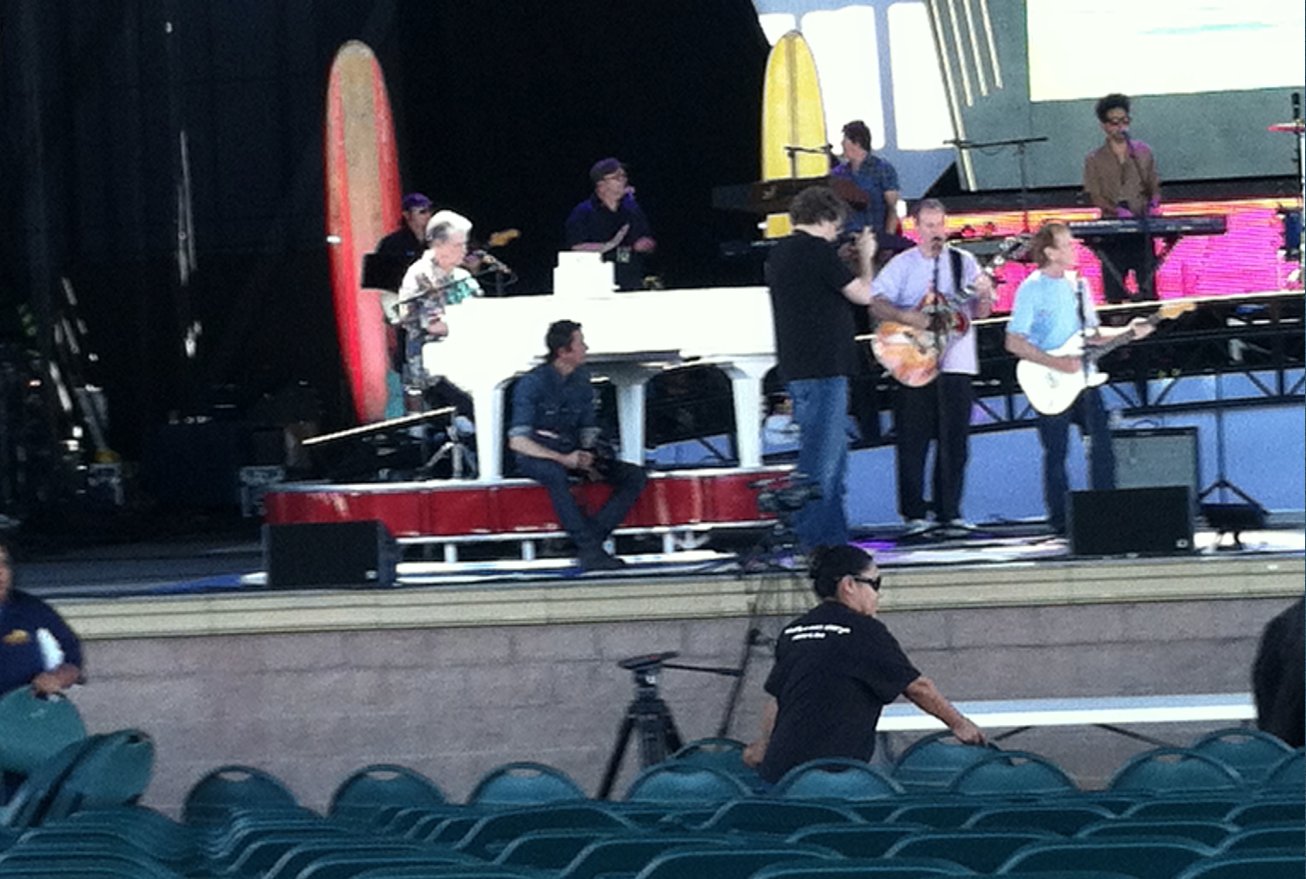
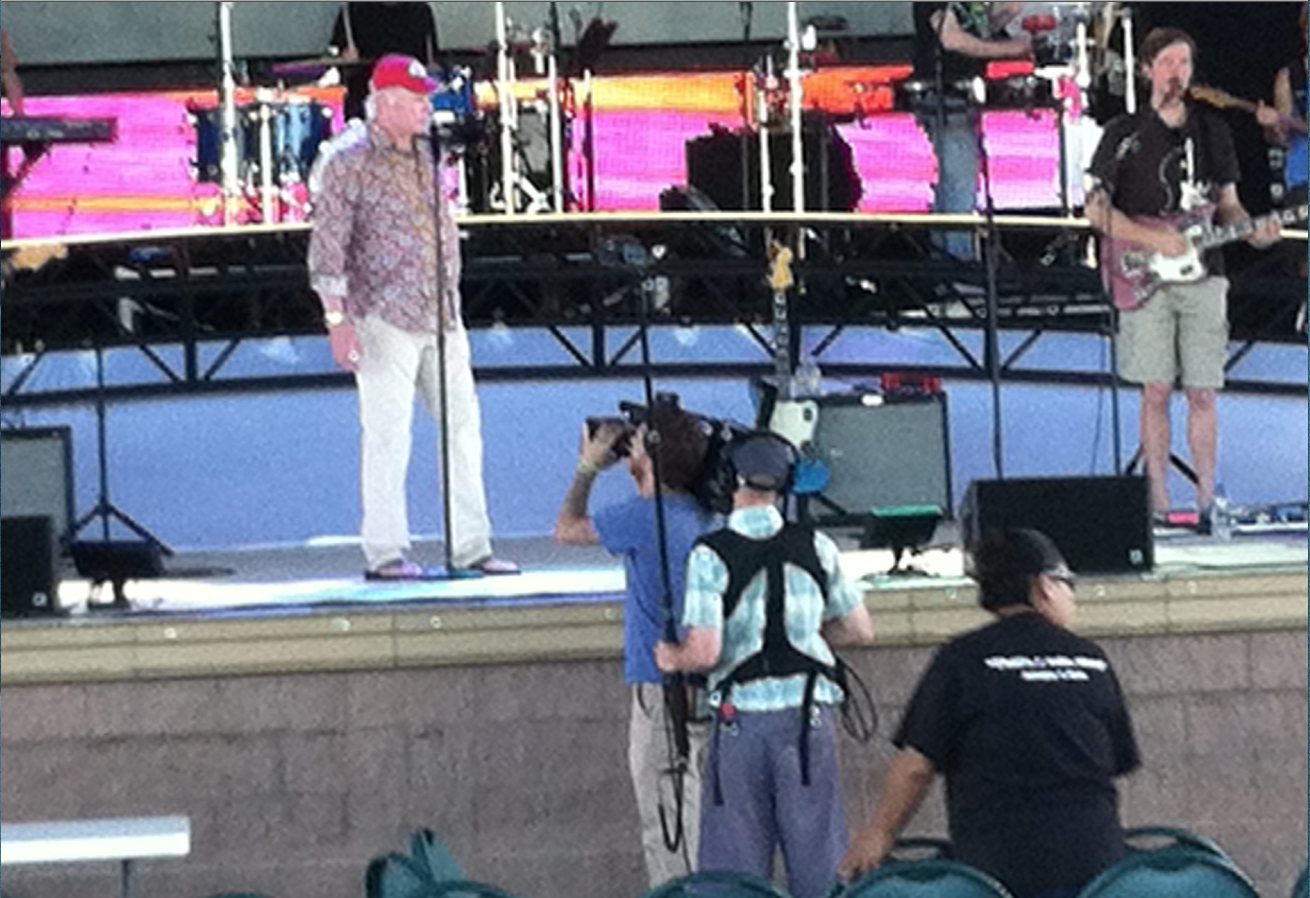
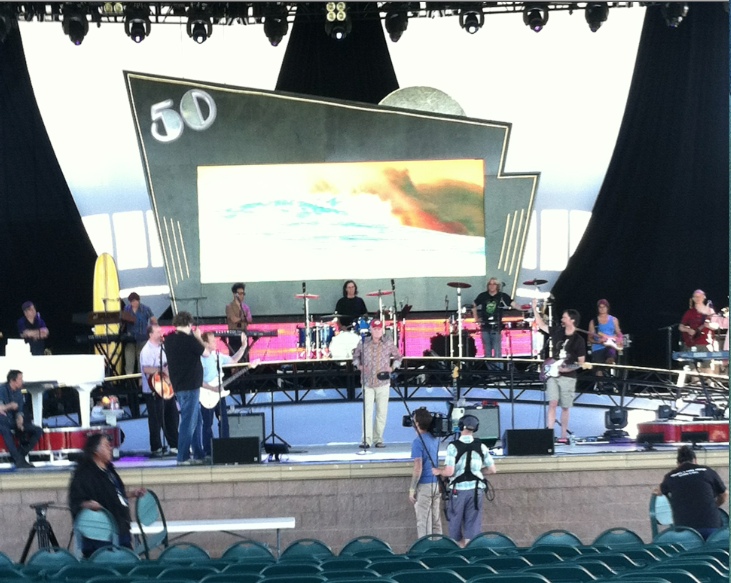
When Memory Sings Harmony: Beach Boys at Beacon Theater
By DJ M on May 9th, 2012
In Brian Wilson/B. Boys
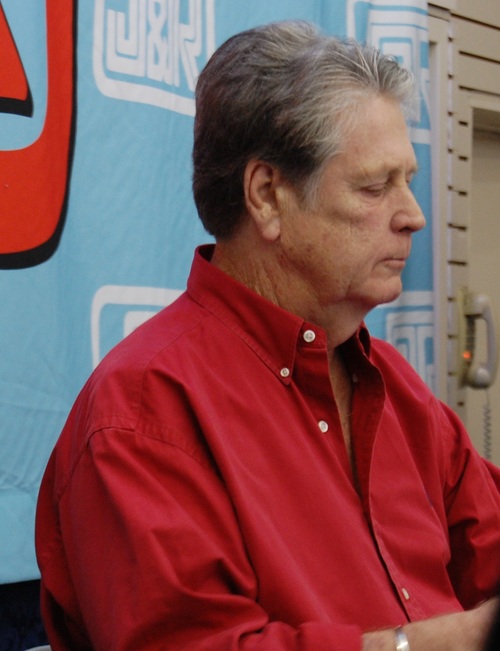
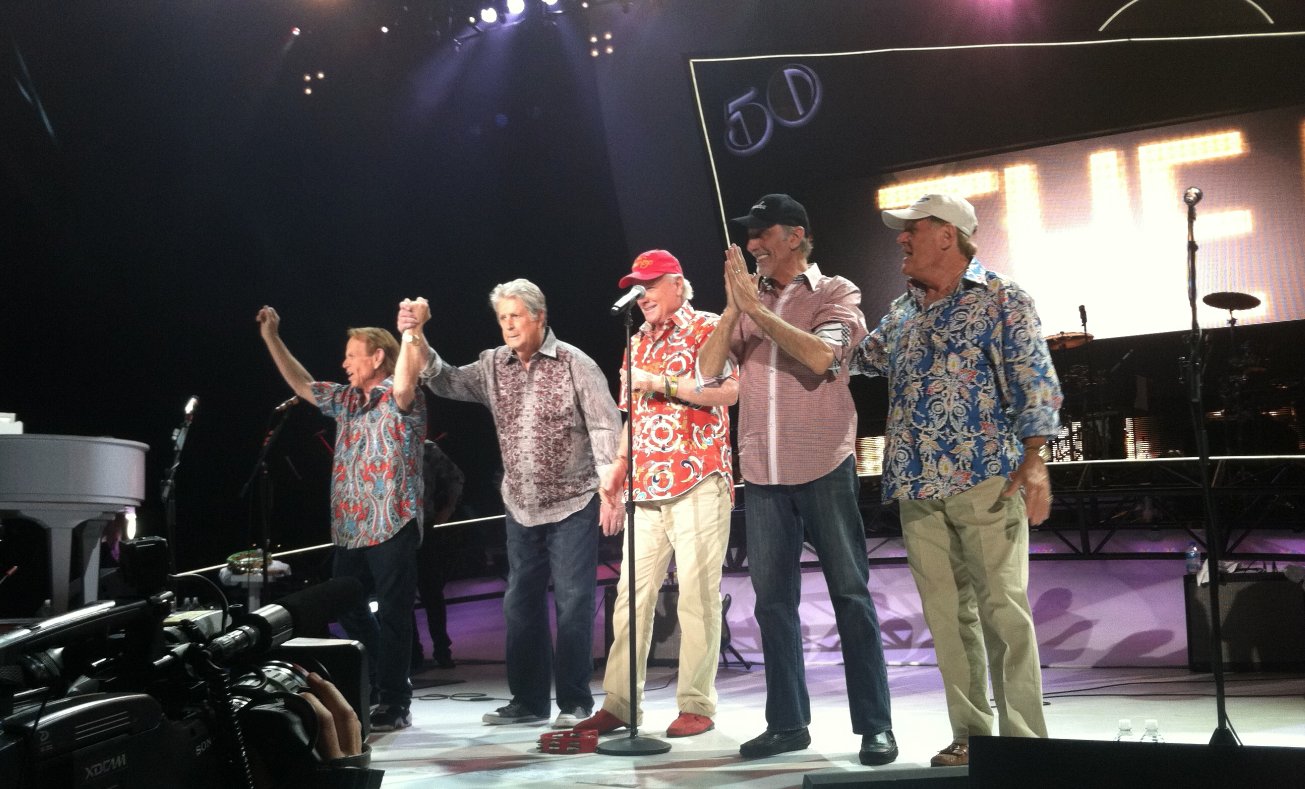
NEW YORK TIMES "What amazing songs. That’s the lingering impression from Tuesday night’s Beacon Theater concert by the reunited Beach Boys, who until this year had not performed with Brian Wilson since 1996 ... More than 40 songs breezed by in the concert, nearly every one packing musicianly marvels into its two or three minutes ... Yet while the technical splendor of [Brian Wilson's] songwriting was one of the Beach Boys’ lasting achievements — one that echoes down through generations of tuneful studio experimenters — this wasn’t a concert to get too technical about. It was a show of youthful exuberance and inspiration battling the effects of time."
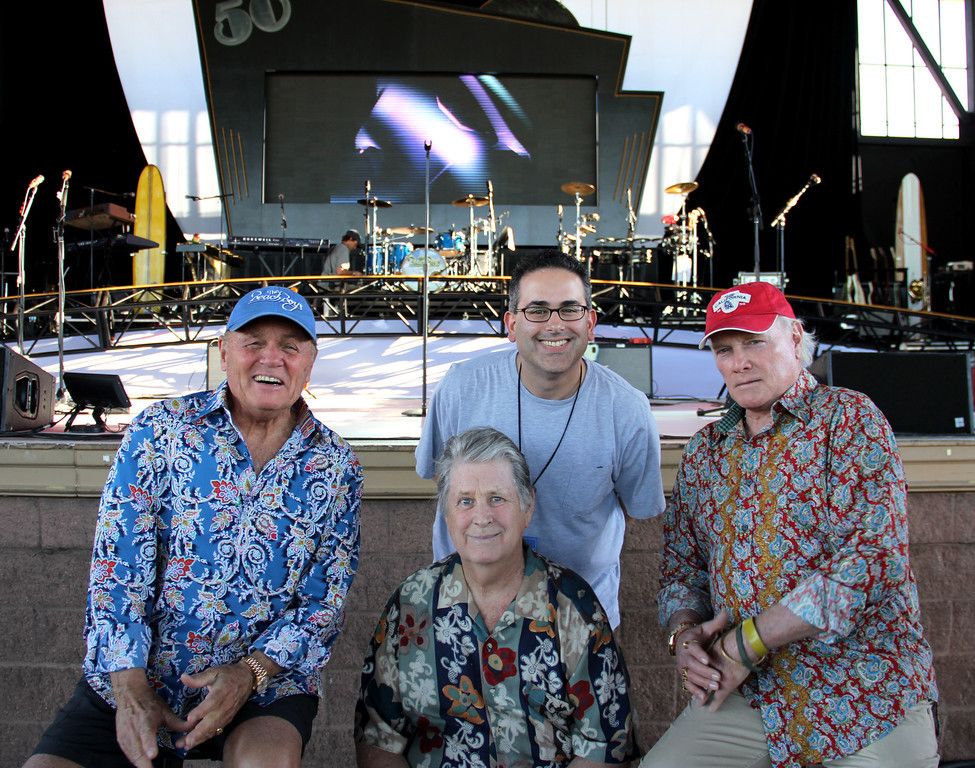
The Beach Boys Preview Their First New Song in Two Decades, Reunited group kicks off reunion tour tonight in Tucson
By DJ M on April 24th, 2012
In Brian Wilson/B. Boys
ROLLING STONE "The Beach Boys have unveiled a clip of 'That's Why God Made the Radio,' the first single off their reunion album that's due to hit shelves this summer. The group split in the late 1990s and toured in separate camps, occasionally firing off nasty lawsuits at each other. Last year, they decided to put the acrimony behind them and reunite for a tour. They've spent the last few months at a Los Angeles studio working on their new album."
Beach Boys Album: 'It's All Brand New'
By DJ M on April 23rd, 2012
In Brian Wilson/B. Boys
BILLBOARD "The Beach Boys' reunion album is nearly mixed and on target for a planned June 5 release, according to the group's Bruce Johnston."
 XML Feeds